The content underneath involving Keep Your Sump Pump Clean, It'll Keep You Dry is indeed compelling. You should give it a look.
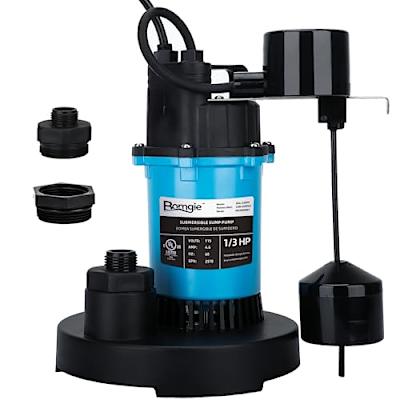
Sump pumps are critical components in lots of homes, especially in areas vulnerable to flooding or extreme dampness. They assist avoid water damage by efficiently removing excess water from basements or crawl spaces. However, like any other device, sump pumps call for routine maintenance to ensure they operate effectively when required the most. Cleaning your sump pump is a vital part of its upkeep, and recognizing how to do it appropriately can save you from costly repair work and prospective catastrophes.
Introduction
Keeping a clean sump pump is important for its correct performance and longevity. Ignoring this important task can bring about obstructions, breakdowns, and inevitably, water damage to your residential property. Therefore, finding out just how to clean up a sump pump is important for house owners that count on these tools to maintain their basements completely dry and protected.
Signs of a Dirty Sump Pump
Recognizing when your sump pump needs cleaning is critical for preventing possible malfunctions. Some usual indicators that suggest a filthy sump pump include weird sounds throughout procedure, lowered water flow, and visible debris in the pit. If you notice any one of these signs and symptoms, it's essential to clean your sump pump immediately to avoid any kind of further concerns.
Preparing for Cleansing
Prior to you begin cleansing your sump pump, it's essential to take some security precautions. Begin by shutting down the power to the pump to avoid any kind of electrical crashes. In addition, put on proper safety gear, such as gloves and goggles, to protect yourself from dust, particles, and potential pathogens.
Comprehending the Sump Pump
Prior to diving into the cleaning procedure, it's vital to have a fundamental understanding of just how a sump pump works. Normally installed in a pit or basin below the basement floor, a sump pump contains several key components, including a pump, a float button, and a discharge pipe. When water accumulates in the pit, the float switch activates the pump, which then pumps the water out with the discharge pipeline, far from the structure's structure.
Step-by-step Overview to Cleaning a Sump Pump
Shutting down the Power
Begin by separating the power supply to the sump pump to stop any kind of accidents while cleansing.
Checking for Proper Functioning
Prior to reinstalling the pump, do a fast test to make sure that the float switch activates the pump correctly. Pour some water into the sump pit and observe the pump's operation. If everything is operating properly, you can rebuild the pump and reconnect the power supply.
Removing Debris and Dust
Make use of a pail or an inside story to eliminate any type of noticeable debris, dirt, or sediment from the sump pit. Dispose of the particles appropriately to avoid it from clogging the pump or the discharge pipeline.
Cleansing the Pump and Float Switch Over
As soon as the pit is clear of particles, carefully eliminate the pump from the pit. Check the pump and the float button for any kind of signs of damage or wear. Make use of a soft brush or cloth to clean up the surfaces and get rid of any built up crud.
Purging the System
After cleaning up the pump and float button, purge the sump pit with tidy water to remove any kind of continuing to be dust or debris. This will assist make sure that the pump runs smoothly and effectively.
Maintenance Tips to Maintain Your Sump Pump Clean
In addition to periodic cleansing, there are several maintenance ideas you can follow to keep your sump pump in ideal condition:
Final thought
Cleaning your sump pump is a critical facet of its maintenance and makes certain that it operates properly when you need it one of the most. By following the steps detailed in this overview and incorporating regular upkeep right into your routine, you can extend the life expectancy of your sump pump and shield your home from water damages.
How To Inspect And Clean A Sump Pump
There are a few things you may want to look for when inspecting your sump pump. These include:
Leaks: If you notice any leaks around the sump pump, it likely needs to be repaired or replaced. Mud or Water: If there is any mud or water around the sump pump, it’s likely that it’s not working properly and needs to be cleaned. Noises: If you hear any strange noises coming from the sump pump, it may be indicative of a problem. Next, you’ll need to clean the sump pump. If you notice any of these issues, it’s best to clean the sump pump as soon as possible. To do this, you’ll need to remove the pump from its housing. Be sure to have a bucket handy to catch any water that may spill out. Once the pump is removed, use a brush or a spray nozzle to clean off all of the mud and debris. You may also want to check the impeller for damage or wear and tear. If you find any damage, you’ll need to replace the pump.
Once the pump is clean, reattach it to its housing and replace any parts that were removed. Be sure to test the pump before putting everything back in place. Once everything is back in order, put the cover back on the sump pit and refill it with water.
https://elekplumbing.com/blog/how-to-inspect-and-clean-a-sump-pump/
Do you like reading about Cleaning & Maintenance Tips for Your Home's Sump Pump? Put feedback down below. We'd be pleased to hear your insights about this write up. Hoping that you come back again soon. If you please set aside a second to share this page if you enjoyed it. Thanks a lot for going through it.
Try Here